Say Goodbye to Bed Bugs: Understanding Heat Treatment and Why It Gets Results
Bed bugs continue to pose a significant challenge for many residences. Standard treatments commonly use dangerous chemicals that present health risks. Thermal treatment provides a practical solution. By employing intense heat, this technique efficiently addresses all developmental stages of bed bugs. Exploring the science behind this process uncovers its strengths. What specific processes make heat treatment so effective? The insights might reshape how individuals approach pest elimination.
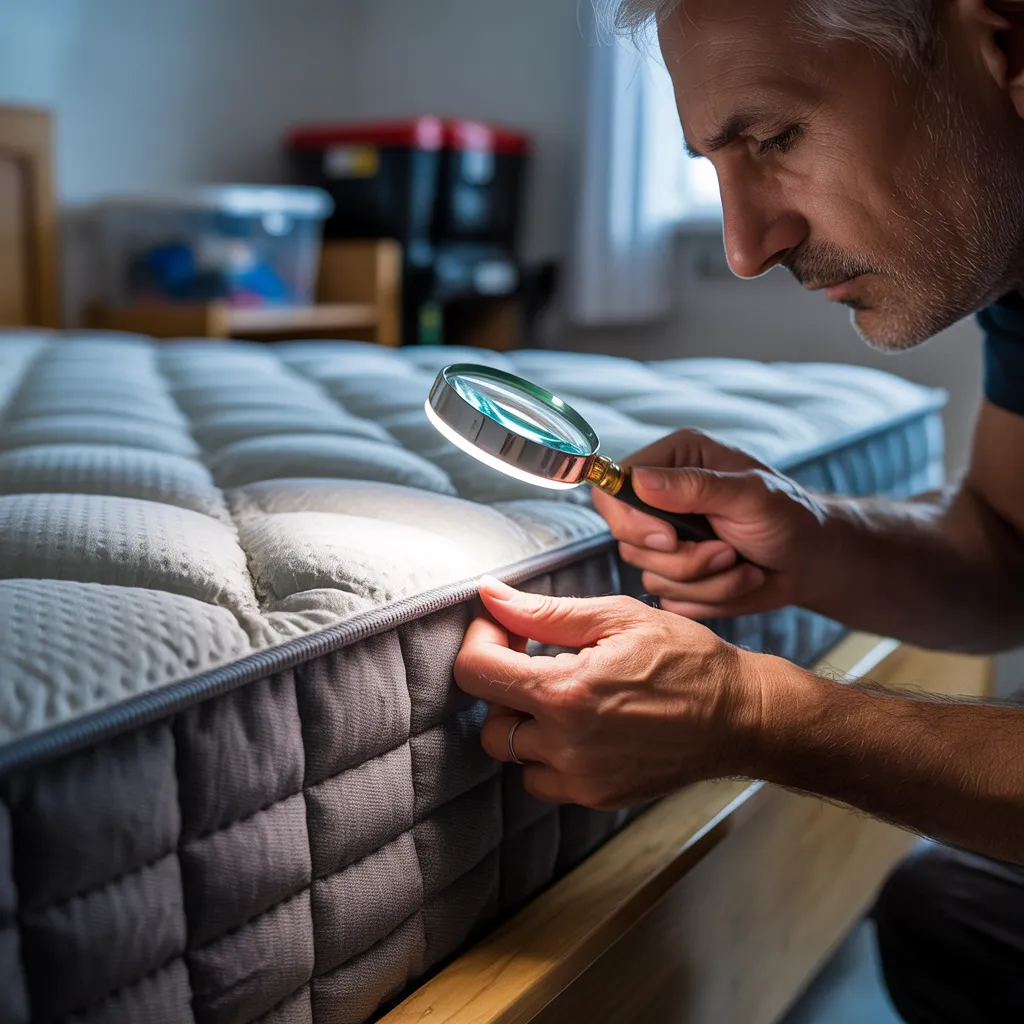
Battling Bed Bugs? Find Out How Heat Treatment Can Help
What can homeowners do to effectively fight the relentless problem of bed bugs? A growing number of homeowners are choosing heat treatment as a trusted solution. This method involves raising the temperature of affected spaces to levels deadly to bed bugs, addressing all life stages, from eggs to adults. In contrast to conventional chemical treatments, which may leave behind residues and require multiple applications, heat treatment offers a more straightforward approach.
Skilled pest control professionals regularly use specialized equipment to guarantee uniform heat dispersal throughout the infested space. Homeowners appreciate that this method is non-toxic, making it safer for both people and animals. Moreover, thermal remediation frequently leads to a more rapid solution, enabling homeowners to resume their daily activities more quickly.
Even though heat treatment may represent an considerable expense, its effectiveness and thorough nature make it a popular option for homeowners dealing with persistent bed bug infestations, offering a viable path to restoring their living spaces.
The Science Behind Temperature and Bed Bug Mortality
Comprehending the relationship between temperature and bed bug elimination is key to grasping the efficacy of heat treatment. Bed bugs, commonly referred to in science as Cimex lectularius, are affected by temperature extremes. Studies show that subjection to temperatures above 118°F (48°C) for a continuous stretch of time can effectively kill bed bugs in every stage of development, including eggs. In contrast, temperatures below 50°F (10°C) can increase their longevity, causing them to fall into a dormant state.
The deadly impact of heat on bed bugs is attributed to its effect on their physiological functions. Elevated heat levels compromise cellular activity and result in dehydration, eventually leading to mortality. Moreover, heat treatment permeates different surfaces, ensuring that hidden infestations are addressed. The effectiveness of this approach stems from its capability to establish even temperatures within infested environments, eliminating the pests without the use of chemicals, establishing it as a top selection for numerous pest control specialists.
The Reason Heat Treatment Eliminates Bed Bugs
Heat treatment is a remarkably efficient solution for eliminating bed bugs due to its ability to reach temperatures lethal to all life stages of these pests. Unlike chemical treatments, which bed bugs can develop resistance to, heat infiltrates surfaces and removes infestations entirely. This technique interferes with the bed bug life cycle, making certain that both mature bed bugs and their eggs are successfully eliminated.
High Temperature Effectiveness
Multiple research studies have shown that high temperatures completely remove bed bugs throughout all phases of their life cycle, including nymphs, eggs, and adult bed bugs. When subjected to heat exceeding 120°F (49°C), bed bugs experience physiological stress, leading to their death. Heat penetrates various materials and reaches hiding spots, providing complete coverage. In contrast to chemical treatments, which can leave harmful residues or become ineffective due to pest resistance, thermal remediation provides a total solution without relying on hazardous materials. Moreover, the procedure is fast, usually taking only a few hours to deliver effective results. This level of efficiency has established heat treatment as a top choice for residential and commercial applications, as it not only eradicates existing infestations but also minimizes the risk of future outbreaks.
The Bed Bug Life Cycle
The effectiveness of heat-based treatment against bed bugs is directly connected to their life cycle. Bed bugs undergo several stages: egg, nymph, and adult. Eggs are especially susceptible, as they are unable to tolerate high temperatures. Once hatched, nymphs and adults are also susceptible; however, they can endure lower temperatures for short durations. Heat treatment elevates the temperature to thresholds fatal for all life stages, interrupting their life cycle. At 118°F (48°C), bed bugs begin to die within 90 minutes, while temperatures above 122°F (50°C) can kill them within minutes. This complete approach ensures that not only adult bed bugs are exterminated, but also their eggs and nymphs, making heat treatment a highly effective method for full eradication.
Chemical Resistance Restrictions
Numerous pest control professionals are more and more concerned about the rising chemical resistance of bed bugs. Traditional insecticides, once effective, are increasingly failing due to biological adaptations in bed bug populations. These bugs can acquire resistance through genetic mutations, making it hard for chemical treatments to completely remove infestations completely. As a result, relying solely on full details chemicals can lead to prolonged infestations and increased costs for homeowners. In contrast, heat treatment bypasses this issue by targeting bed bugs with high temperatures that they cannot tolerate. At temperatures above 120°F, bed bugs, including nymphs and eggs, are effectively killed within minutes. This method not only provides thorough extermination but also eliminates the risk of resistance, making heat treatment a reliable solution for bed bug infestations.
Why Heat Treatment Outperforms Chemical Solutions
Although heat treatment and chemical solutions both seek to eliminate bed bugs, heat treatment presents clear benefits that position it as the top choice for numerous individuals. A major benefit is its effectiveness in destroying all developmental stages of bed bugs, eggs included, in a single visit. This complete extermination decreases the probability of reinfestation, a recurring concern with chemical solutions that may not access every hiding location.
In addition, heat treatment proves to be a green solution, as it avoids the use of harmful chemicals that can create health dangers to humans and pets. It also removes the need for extensive preparations, such as relocating bedding and personal possessions, rendering the treatment process significantly more straightforward.
In addition, heat treatment commonly achieves quicker resolution times, helping affected individuals to go back to their everyday lives faster. All things considered, the safety and effectiveness of heat treatment render it a strong substitute for conventional chemical treatments in the war against bed bugs.
What to Expect During Heat Treatment
During thermal treatment for bed bugs, residents can expect a detailed process that involves increasing the thermal levels within the affected area. The process generally takes several hours, providing thorough penetration to exterminate pests at every stage of development. Following the treatment, marked differences in the surrounding area, such as enhanced hygiene and fewer insect sightings, will be evident.
What To Expect During
Thermal treatment for bed bugs consists of a comprehensive and methodical approach intended to eradicate infestations efficiently. During this treatment, the infested space will be enclosed to contain heat, ensuring that heat levels become fatal to bed bugs across every stage of development. Residents should anticipate having personal belongings cleared from the affected space, along with the deployment of professional equipment including heaters and temperature sensors. Certified specialists will diligently observe heat levels, guaranteeing consistent temperature spread throughout the treated space. It is essential for residents to vacate the premises for a specified duration to avoid exposure to high heat. Upon completion, a follow-up inspection may be recommended to confirm the effectiveness of the treatment and verify that no bed bugs remain.
Treatment Process Duration
How long can one expect the heat treatment for bed bugs to last? Generally, the treatment process can take anywhere from six to eight hours, depending on the size of the infested area and the severity of the infestation. Throughout this period, a temperature range of 120°F to 140°F is sustained to ensure the complete eradication of bed bugs at every life stage. Residents should anticipate the whole area reaching high temperatures, which might necessitate relocating delicate belongings prior to treatment. Once the treatment is complete, a cooling period will ensue, enabling the area to settle back to a safe and normal temperature. It is important for residents to leave the property as directed to ensure optimal outcomes and safety during the procedure.
Environmental Changes After Treatment
During the heat treatment process, significant changes in the environment can be expected. Heat levels in the treated zone will climb consistently, typically climbing to ranges between 120°F and 140°F. Such heat levels efficiently eradicate bed bugs at every stage of development, yet it may also call for accommodations on the part of the occupants. Personal items, such as electronics and sensitive materials, should be removed or protected to prevent damage. Moreover, specific furniture items may need to be rearranged to achieve consistent heat distribution. This procedure may result in an unpleasant environment, necessitating a temporary move for occupants. Upon completion of the treatment, a detailed inspection and cleaning are critical to ensure all remaining pests have been eradicated, reinforcing the effectiveness of the heat treatment.
Important Steps to Prepare for Heat Treatment
Planning for bed bug heat treatment requires meticulous planning to guarantee effectiveness and safety. Property owners should begin by taking items out of the treatment area, including linens, clothing, and personal belongings, to protect items and guarantee complete heat penetration. It is vital to clean and dry these items on elevated heat settings to eradicate any concealed bed bugs.
Additionally, furniture should be moved away from walls to enable unrestricted heat circulation. Additionally, sensitive electronics, plants, and perishable goods must be moved to prevent exposure to elevated temperatures. Pets need to be brought to a secure environment throughout the treatment, as they are susceptible to harmful effects.
Ultimately, staying in contact with the pest control specialist is essential for grasping the customized guidelines specific to your circumstances. Implementing these guidelines will optimize the overall success of the heat treatment procedure, guaranteeing a bed bug-free home.
Common Questions and Answers
How Much Time Does Heat Treatment Need to Get Rid of Bed Bugs?
Heat treatment typically takes six to eight hours to completely eliminate bed bugs. This procedure requires sustaining specific temperatures for a sustained duration, ensuring that all life stages of the pests are eradicated.
Are There Any Dangers to My Belongings During Treatment?
Throughout the heat treatment process, the risk to belongings remains minimal. That said, objects that cannot withstand high temperatures, like electronic devices or particular fabric materials, may be damaged. Proper precautions can mitigate these risks effectively.
Is It Safe for Pets to Stay in the Home During Heat Treatment?
Pet companions must not stay in the home during the heat treatment process. The high temperatures may be dangerous for them, so it's advisable for owners of pets to make arrangements for their pets to be housed elsewhere during the treatment.
Does Heat Treatment Work on Every Life Stage of Bed Bugs?
Absolutely, heat treatment successfully eliminates all life stages of bed bugs, such as all stages from eggs to nymphs and adults. These elevated temperatures penetrate multiple hiding areas, ensuring thorough extermination and stopping future infestations from occurring.
How Regularly Should I Arrange Heat Treatments for Prevention?
Scheduling heat treatments every six to twelve months is recommended for proactive protection. This frequency helps to eliminate any potential infestations before they escalate, guaranteeing a proactive approach to preserving a bed bug-free environment in residential spaces.